


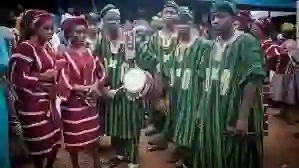
The Yoruba people are one of the largest and most influential ethnic groups in Africa, with a rich cultural heritage that has continued to thrive for centuries. Predominantly found in southwestern Nigeria, as well as parts of Benin Republic and Togo, the Yoruba culture is deeply rooted in history, tradition, family values, art, language and spirituality.
Yorubaland is known for its vibrant traditions and strong sense of identity. The Yoruba people value respect, hard work, honesty and communal living. Elders are highly respected, and greetings play an important role in daily life. Young people are taught from an early age to greet properly as a sign of good upbringing and respect.
The Yoruba language is widely spoken and remains one of the most popular indigenous languages in Africa. Proverbs, folktales and oral storytelling are also important parts of Yoruba culture, helping to pass wisdom and moral lessons from one generation to another.
One of the most exciting aspects of Yoruba culture is its colourful festivals. These festivals celebrate history, kingship, religion and community unity. Popular festivals include the Osun-Osogbo Festival, the Eyo Festival in Lagos, and the Ojude Oba Festival in Ijebu land.
During these celebrations, people dress in beautiful traditional attire, dance to local music and display cultural performances that attract visitors from around the world.
Fashion is an important part of Yoruba identity. Men often wear agbada, buba and sokoto, while women wear iro and buba, gele and ipele. Yoruba traditional clothing is known for its elegance, rich fabrics and colourful designs.
These outfits are commonly worn during weddings, festivals, naming ceremonies and other important occasions. The gele, a stylish head tie worn by women, remains one of the most admired symbols of Yoruba fashion.
Yoruba culture has contributed greatly to Nigerian music, movies and entertainment. Traditional music styles such as talking drums, fuji, juju and apala continue to influence modern African music today.
The Yoruba people are also known for their creativity in sculpture, bead making, textile weaving and theatre. Nollywood movies produced in the Yoruba language have helped preserve and promote the culture across generations.
Before the spread of Christianity and Islam, the Yoruba people practised a traditional religion centred around oriṣa (deities) and ancestral worship. Though many Yoruba people today are Christians or Muslims, traditional beliefs and customs still influence many cultural practices.
Respect for ancestors, traditional rulers and family lineage remains an important part of Yoruba society.
Traditional rulers, known as Obas, hold an important place in Yoruba culture. They are seen as custodians of tradition and culture. Famous Yoruba kingdoms such as Oyo, Ife and Ijebu played major roles in the history and development of the region.
The Ooni of Ife, Alaafin of Oyo and Awujale of Ijebuland are among the respected traditional rulers in Yorubaland today.
In a rapidly changing world, preserving Yoruba culture is more important than ever. Many cultural organisations, schools and creative industries are working hard to keep the language, traditions and customs alive.
Young people are also embracing their roots through music, fashion, food and social media, helping to promote Yoruba culture to a global audience.
The culture of Yorubaland is a beautiful blend of history, tradition, creativity and unity. From colourful festivals and traditional attire to music, language and family values, the Yoruba culture continues to inspire millions of people around the world.
As modern society evolves, preserving and celebrating Yoruba heritage remains a source of pride and identity for present and future generations.
READ ALSO:
- NSCDC Boss, Audi Abubakar Constitues High-Powered Probe Into Deaths of Suspected Illegal Miners in Niger State
- Don’t sell your house or touch school fees to buy Dangote shares — Emir Sanusi warns investors
- King Charles Warns Tech Leaders of AI’s “Existential Dangers” at Scotland Summit
- Guinea Bans France 24 Over Remarks Against President Doumbouya
- Court Jails South African Woman 25 Years for Heroin Trafficking into Nigeria
