



For most artisans, mastering a craft has long been the main requirement for building a career. But as customers increasingly search for services online, communicate digitally and make electronic payments, technical skill alone is no longer enough.
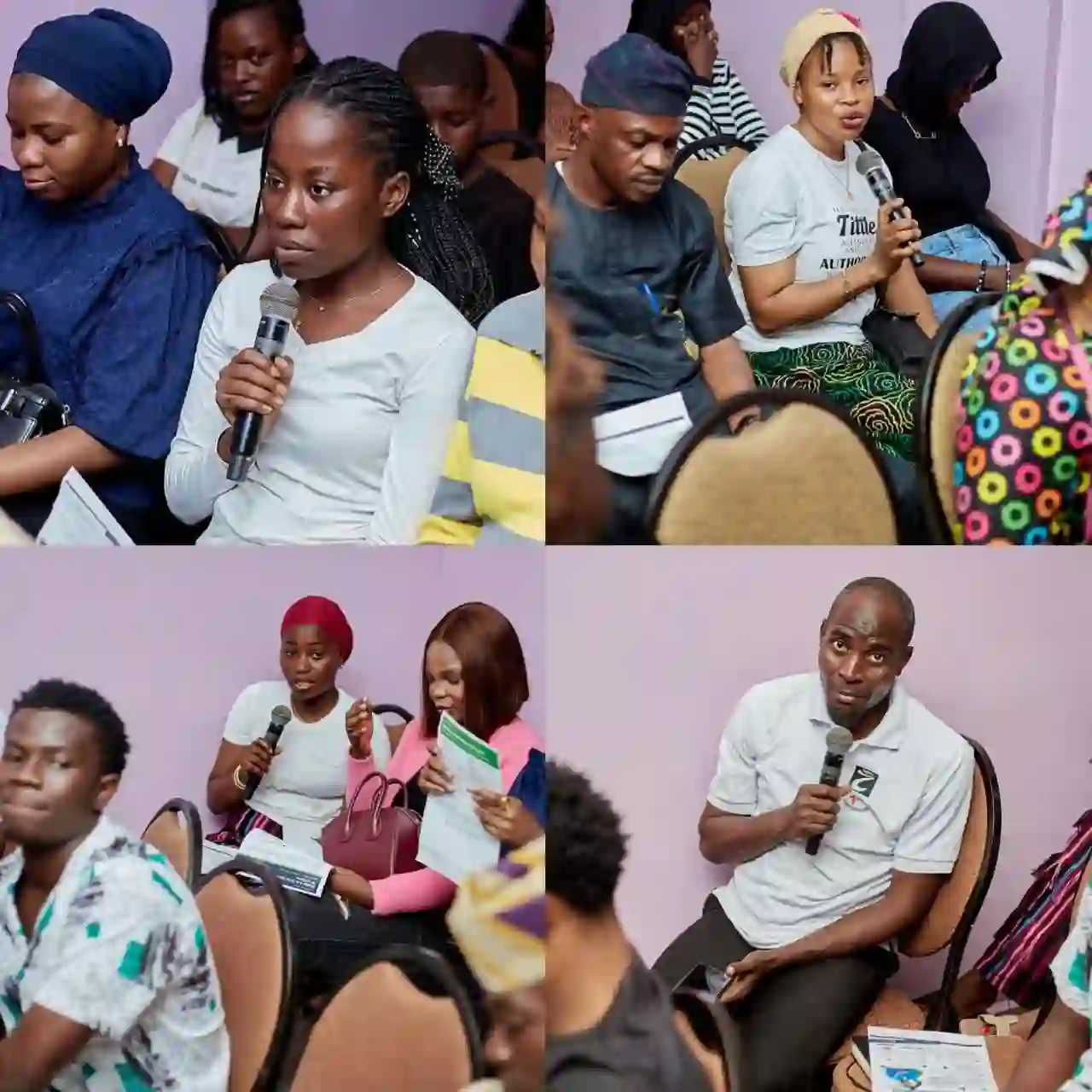
That gap brought hundreds of skilled workers from different trades together in Ibadan on 22 August 2026 for a community-focused digital skills workshop aimed at helping artisans adapt to Nigeria’s growing digital economy.
The initiative, led by technology entrepreneur Temitope Ajibola, brought together artisans including electricians, plumbers, carpenters, mechanics, painters, air-conditioning technicians and other skilled professionals for practical training on how digital tools can improve their businesses and expand their access to customers.
The programme received the endorsement and support of Ibadan North Local Government, under the leadership of Executive Chairman Hon. Oluwaseun Olufade, whose administration supported the initiative as part of efforts to promote digital inclusion, skills development and economic opportunities for skilled workers in the community.
Participants received training on online customer acquisition, personal branding, pricing, financial literacy, digital payments, customer service and the practical use of emerging artificial intelligence tools. They were also introduced to ways of building a stronger digital presence and communicating more effectively with customers.
For many of the artisans, the challenge was never ability — it was visibility. Skilled workers who have traditionally depended on referrals and word-of-mouth are increasingly finding that digital platforms and online communication can determine how easily potential customers discover and engage with their services.
“Having a skill is one thing; knowing how to position that skill in today’s digital economy is becoming equally important,” Ajibola said. “Technology should create opportunities not just for people already working in tech, but also for the skilled professionals who keep our homes, businesses and communities running.”
The support from Ibadan North Local Government provided an important institutional dimension to the programme, bringing together technology, community development and skills advancement around the needs of local artisans.
The programme was delivered with support from technology and professional-development practitioners who worked directly with participants to make digital tools practical and accessible.
Stephen Oyerinde, a technology professional who facilitated part of the training, said the focus was on helping artisans understand technology in ways that could immediately improve their businesses.
“The goal is not to turn artisans into technology experts,” Oyerinde said. “It is to help them understand the tools that can make their existing businesses more visible, efficient and competitive.”
Folorunsho David, who supported the professional development and talent-focused sessions, also worked with participants on areas including customer engagement, professional presentation and business growth.
The initiative reflects a growing need to extend digital inclusion beyond traditional technology professionals. While government, businesses and educational institutions continue to promote digital skills among young people and technology workers, millions of skilled professionals in the informal economy also need support to participate meaningfully in the digital economy.
For some participants, the impact was already becoming tangible.
Jamiu Alabi, a plumber who attended the workshop, said the training had changed the way he approaches his business.
“This has really improved me,” Alabi said. “I’ve gotten new customers since the training, and I’m happy about that.”
Ajibola said initiatives of this kind should become more common as Nigeria’s economy becomes increasingly digital.
“The people who build, repair, maintain and service our communities should not be left behind in the digital transformation,” he said. “If we are serious about building an inclusive digital economy, artisans and other skilled professionals must be part of that conversation.”
The workshop provided participants with practical skills and certifications, while also highlighting a broader challenge: ensuring that Nigeria’s digital transformation reaches beyond those already working in technology and creates opportunities for the millions of skilled workers whose businesses depend on being found, trusted and connected.
The collaboration between technology practitioners, community leaders and local government officials demonstrated how digital-skills initiatives can bring different stakeholders together to address practical economic challenges facing skilled workers.
READ ALSO:
- Umahi Explains Why Southeast Voted for Peter Obi in 2023, Predicts Tinubu’s Victory in 2027
- Senate Approves Bills To Establish Two New Federal Universities
- KC Luxury Arrives In Court In Ambulance On Oxygen, Judge Orders Return To Hospital
- Customs Seize ₦79.86m Worth of Petrol, Foreign Rice in Adamawa
- 24 State Assemblies Approve State Police Amendment – Gbajabiamila
