


The growing role of Nigeria’s courts in deciding election outcomes came under heavy criticism at the 22nd All Nigeria Editors Conference (ANEC) in Enugu on Thursday, as speakers warned that democracy suffers whenever litigation, rather than the ballot, determines who governs.
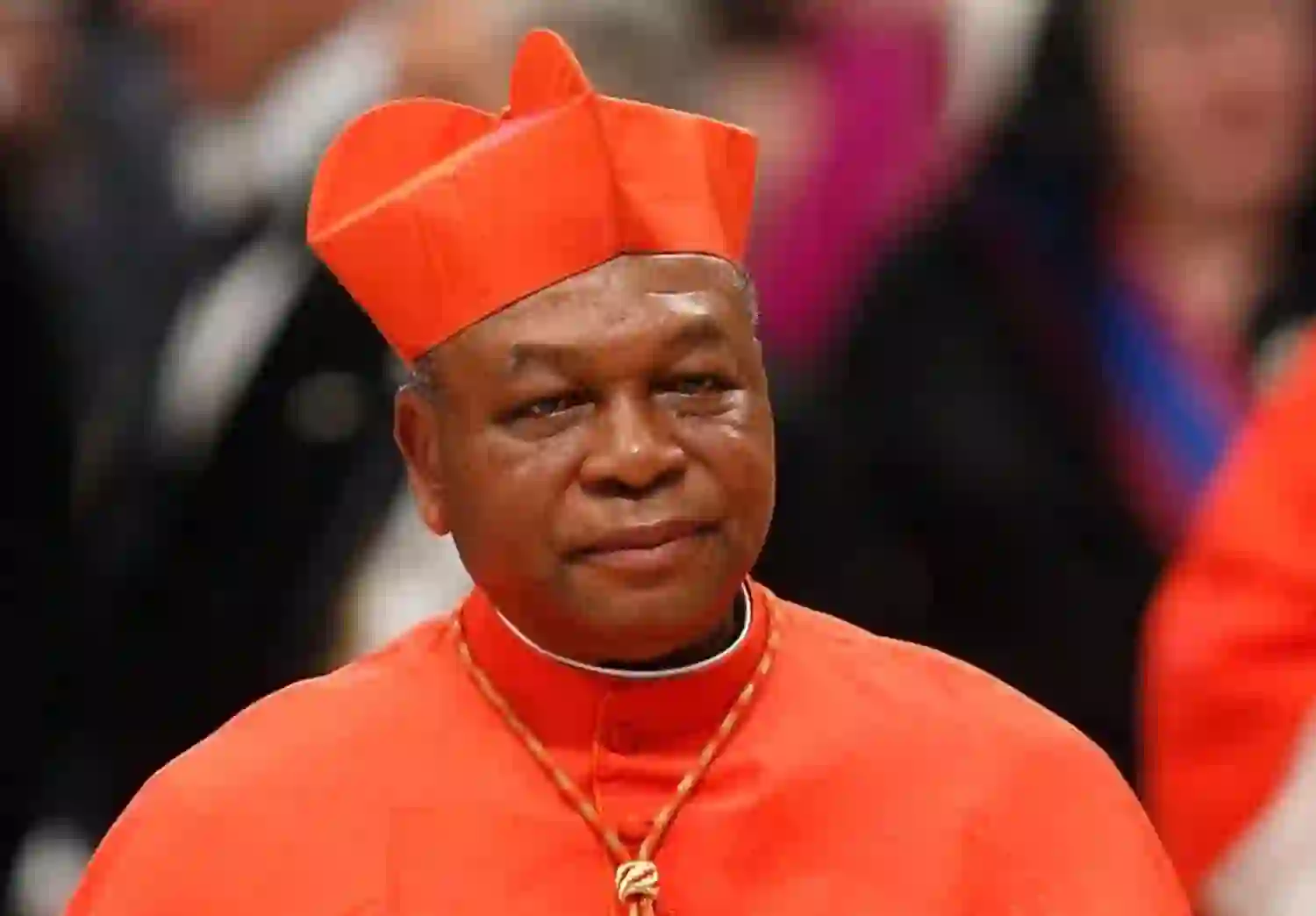
Catholic Archbishop Emeritus of Abuja, Cardinal John Onaiyekan, set the tone in his keynote, arguing that courts were meant to resolve disputes arising from elections, not to effectively decide who wins them. He said Nigeria’s recent experience had turned that principle on its head, with tribunals increasingly determining outcomes rather than merely adjudicating complaints — a trend he said had opened the door for well-paid lawyers to exploit legal technicalities and had damaged public trust in the judiciary.
The conference, organised by the Nigerian Guild of Editors under the theme “The Ballot, the Media and the Task of Keeping Democracy Alive,” drew a heavyweight list of attendees, including Information Minister Mohammed Idris, Obi of Onitsha Igwe Alfred Achebe, Enugu State Governor Peter Mbah, Jigawa State Governor Umar Namadi, political economist Prof. Patrick Utomi, former NBA president Afam Osigwe (SAN), and NGE President Eze Anaba.
Onaiyekan’s seven-point reform push
Onaiyekan proposed a set of reforms to cut Nigeria’s reliance on post-election litigation, including a dedicated election tribunal bound by strict timelines, and a rule requiring all tribunal cases to be resolved before winners are sworn in. He argued it was unjust for a declared winner to use state resources to defend that victory in court against an opponent.
He also called for voters — not just candidates — to have standing to challenge results they believe were miscounted, and pushed for reform of how INEC’s leadership is appointed, saying the commission’s independence is compromised by its ties to the executive. A candidate should need at least 50 percent of votes cast to be declared president, he added.
Despite the system’s flaws, Onaiyekan urged Nigerians not to abandon the democratic ideal, insisting leaders must be chosen on merit and character.
Osigwe: Nigeria now leads in election petitions
Former NBA president Afam Osigwe told the conference Nigeria has one of the highest volumes of election petitions globally, describing the trend as the “judicialisation of the electoral process.” He faulted the tight timelines and difficulty of proving electoral violations, and argued that technology such as BVAS and the IReV portal — introduced to boost transparency — should not become extra hurdles for petitioners trying to prove irregularities.
Osigwe also criticised the “go to court” refrain often aimed at defeated candidates, saying it betrays low confidence in the justice system, and flagged how perceptions of judicial corruption further erode public trust — with consequences, he warned, for the legitimacy of democracy itself.
NGE President Eze Anaba tied the debate together, saying election credibility must be protected precisely so courts don’t have to stand in for voters in deciding who governs.
AI misinformation: a new election threat
Minister Idris, represented by NAN Managing Director Ali M. Ali, warned that AI can now generate convincing fake statements, videos and images of public officials, risking a future where citizens distrust everything they see. He urged journalists to make verification routine — checking sources, timestamps and authenticity before publishing — and to clearly separate fact from allegation and opinion.
Igwe Achebe echoed the warning, noting how easily a fabricated governor’s voice or a doctored video could spread through WhatsApp and community networks. He proposed a joint Election Rapid Response Desk across newsrooms to quickly identify and debunk viral falsehoods, describing the media as society’s mirror — one that, if cracked, leaves citizens “voting from illusion.”
Utomi: weak institutions risk national collapse
Prof. Patrick Utomi warned that a failing electoral system threatens more than elections — it undermines national stability. He said normalising “abnormal” practices raises the cost of doing business in Nigeria and pushes the country toward what he called “ultimate collapse” unless institutions are strengthened.
Mbah: press and government must meet at “the point of truth”
Enugu Governor Peter Mbah urged deeper investigative journalism in the age of AI misinformation, saying government must be transparent and accountable while the press establishes facts rather than chasing attention. He used the platform to tout his administration’s infrastructure record — including over 1,500km of roads, 7,000+ classrooms, and the Enugu Smart City project — while urging editors to independently verify the state’s claims rather than take them at face value.
READ ALSO:
- CNN Excluded from Trump’s Saturday Trip as White House Access Battle Continues
- RCCG Flies Home First 100 Nigerians Stranded in South Africa
- “We don’t need pity, we need jobs” — Visually impaired couple cry out for employment
- 2027: Atiku’s presidency will kill rotational arrangement — Shehu Sani
- Troops Rescue 14 Kidnap Victims in Katsina, Nab Three Terrorist Logistics Couriers
