



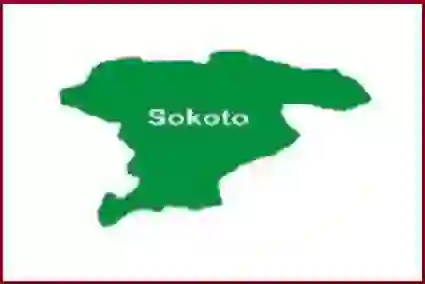
A deadly meningitis outbreak has killed 34 people and infected at least 254 others across nine local government areas in Sokoto State, the state’s Commissioner for Health, Dr. Faruk Abubakar-Wurno, confirmed on Wednesday.
Speaking with journalists in Sokoto, the commissioner said the disease has swept through communities in Dange-Shuni, Kebbe, Shagari, Tambuwal, Wamakko, Sabon Birni, Bodinga, Kware, and Gada — with Sabon Birni recording the highest number of cases at 63, followed by Wamakko with 60.
Abubakar-Wurno revealed that most of the fatalities occurred at home before any government intervention, as many affected residents initially linked the illness to spiritual causes rather than a medical condition, causing critical delays in seeking treatment.
“Many people attributed it to mysterious circumstances,” he said, noting that this cultural hesitancy cost lives that could otherwise have been saved with timely care.
To contain the spread, the state government established isolation centres in Dogondaji and Kurawa communities within Tambuwal and Sabon Birni LGAs. All 201 patients treated at government health facilities have since been discharged.
Of 24 samples sent for laboratory analysis, eight returned positive for meningitis, confirming the active presence of the disease across affected communities.
The commissioner described meningitis as a serious infection targeting the membranes that protect the brain and spinal cord, spread mainly through respiratory droplets — particularly in crowded or poorly ventilated spaces. He noted that children between the ages of one and 15 are the most vulnerable, with seasonal dry winds and overcrowding significantly accelerating transmission.
In response, the government has stepped up public awareness campaigns, urging residents to sleep in well-ventilated rooms or outdoors to reduce the risk of infection. Disease surveillance officers have also been deployed, laboratory testing capacity has been strengthened, and medication supplies have been secured.
Meningitis remains a persistent public health threat in Nigeria’s northern states, particularly during the dry season, as documented by the World Health Organization and national disease surveillance records.
READ ALSO:
- 2027: Sambo Says No Party Can Match APC’s Organisation
- Odumeje Reveals How Former Friends Attacked Him For Preaching Gospel
- Japan Festival Turns Tragic As Deputy Mayor Is Crushed To Death By Heavy Float
- 2027: Lagos APC Warns Peter Obi Against Relying on 2023 Popularity
- Musk promises SpaceX shares to every American child
