


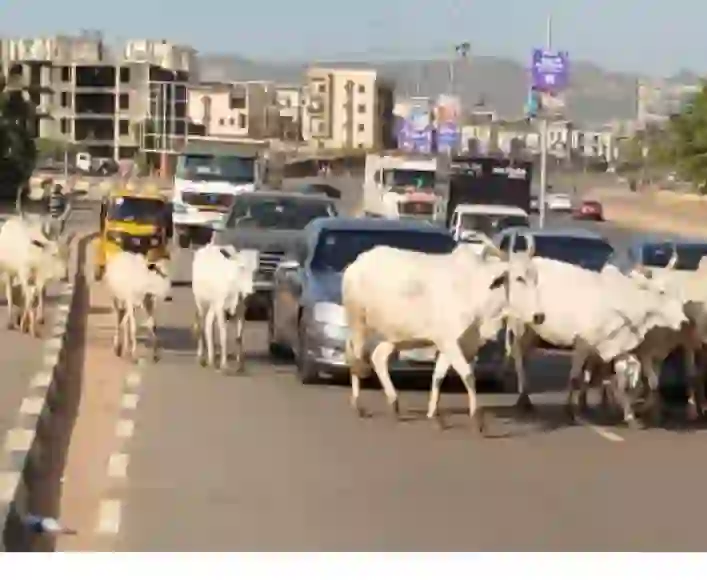
The Federal Government has identified 470 gazetted and legally protected grazing reserves across the country as part of a new strategy to phase out open grazing and encourage the settlement of pastoralists in designated locations.
Minister of Livestock Development, Idi Maiha, disclosed this during an interview on Arise News while discussing the implementation of the National Dairy Policy Framework and broader plans to modernise Nigeria’s livestock sector.
According to the minister, the initiative is aimed at ending the practice of cattle roaming freely in major cities such as Abuja and Lagos, while improving livestock productivity through better disease control, animal health management and breed development.
Maiha said the government is actively engaging pastoralists to embrace a sedentary lifestyle by relocating to designated grazing reserves where essential support services can be provided more efficiently.
He explained that settling herders in specific locations would make it easier to implement interventions designed to improve livestock production and monitor animal health.
As part of the programme, the government plans to introduce electronic jaw-tagging for cattle. The technology will enable authorities to track animals and receive alerts whenever a cow leaves its designated area, helping to quickly identify strayed or stolen livestock.
The minister acknowledged that open grazing and long-distance cattle movement have become increasingly unsustainable, noting that they contribute to low productivity and hinder efforts to meet the country’s growing dairy needs.
Speaking on milk production, Maiha said Nigerian cows currently produce an average of between 1.2 and 2 litres of milk per day, a figure far below the output recorded in countries such as Kenya, where some dairy breeds produce up to 30 litres daily.
He attributed the low yield to poor livestock genetics, inadequate feeding practices and weak disease management systems.
Despite Nigeria’s estimated population of about 270 million ruminants, including cattle, sheep, goats and camels, the minister said the country has made limited progress in modernising its livestock breeds.
According to him, many African countries have significantly improved productivity through deliberate genetic upgrades, while Nigeria continues to rely largely on traditional breeds with lower output.
Maiha noted that although Nigeria has several research institutions and veterinary training centres, efforts to improve livestock genetics have not been implemented on a large scale.
He stressed that introducing improved breeds and selecting animals based on performance traits could dramatically increase milk production, potentially raising yields from the current average of two litres to between 15 and 50 litres per cow daily.
To achieve these goals, the government is focusing on three key areas—improved feeding systems, effective disease control and enhanced livestock genetics—under the National Dairy Policy Framework, with the objective of boosting local milk production and reducing dependence on imports.
READ ALSO:
- Zamfara Bandits Demand N30m Ransom For Six Abducted Clerics
- Nigeria’s Aviation Market Now Fourth-Largest in Africa — FAAN
- CBN Cuts Interest Rate to 23%
- ITC, Access Bank Partner to Support Small Businesses Across 14 African Countries
- Governor Dauda Lawal Approves 95% Salary Increase for Health Workers
