


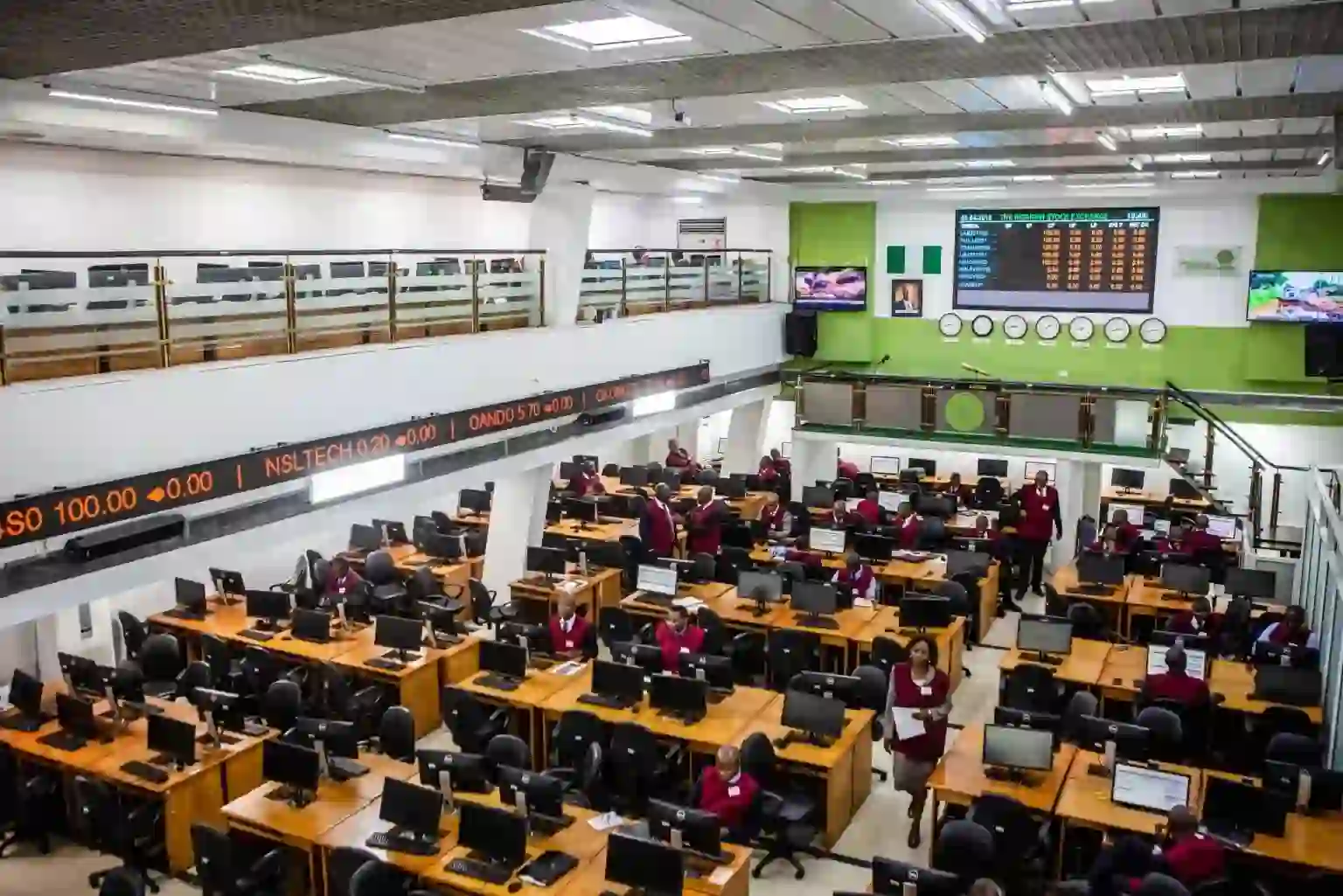
Twenty-two companies listed on the Nigerian Exchange Limited (NGX) carried a combined debt exposure of N21.3 trillion in the second quarter of 2026, as they continued to lean on borrowed funds to finance operations and drive profitability.
Of the 22 firms, 11 posted debt-to-equity ratios above 2.0, a signal of heavy reliance on debt financing that raises questions about interest costs, cash-flow pressure and shareholder returns going forward.
The companies span VFD Group, United Capital, UACN, TotalEnergies Marketing Nigeria, Tantalizers, SCOA Nigeria, Nestlé Nigeria, Neimeth International Pharmaceuticals, MTN Nigeria, Mecure Industries, Infinity Trust Mortgage Bank, FTN Cocoa Processors, Ecobank Transnational Incorporated, Dangote Sugar, Conoil, C&I Leasing, BUA Cement, Aradel Holdings, AIICO Insurance, Access Holdings, Abbey Bank and Fortis Global Insurance.
Highest leverage
Data reviewed showed FTN Cocoa Processors topping the leverage table with a debt-to-equity ratio of 28.61, followed by SCOA Nigeria at 14.37 and United Capital at 6.52.
Other firms above the 2.0 threshold include Nestlé Nigeria (5.74), Fortis Global Insurance (4.66), UACN (4.10), Neimeth International (3.29), Mecure Industries (3.0), MTN Nigeria (2.98), VFD Group (2.4) and Infinity Trust Mortgage Bank (2.18).
A debt-to-equity ratio of 1.0 means debt matches equity; a ratio of 2.0 means two naira of debt for every naira of equity. Analysts note there’s no universal “normal” figure — capital-intensive sectors like manufacturing and telecoms typically run higher leverage, though excessive debt raises financial risk when interest rates climb or cash flow weakens.
Scale of debt
Debt loads varied sharply across the 22 firms, ranging from N9.31 billion at Tantalizers to N7.27 trillion at Access Holdings.
Ecobank Transnational followed with N5.36 trillion in total debt, then MTN Nigeria (N2.78 trillion), Aradel Holdings (N1.87 trillion) and United Capital (N1.22 trillion).
Further down the list: BUA Cement (N663.34 billion), Dangote Sugar (N584.61 billion), Nestlé Nigeria (N445.11 billion), UACN (N308.78 billion), VFD Group (N252.17 billion), AIICO Insurance (N129.66 billion), Conoil (N72.05 billion), C&I Leasing (N71.67 billion), Mecure Industries (N66.17 billion), Fortis Global Insurance (N30 billion) and Infinity Trust Mortgage Bank (N27.16 billion).
FTN Cocoa recorded N22.42 billion in debt, Abbey Bank N20.37 billion, SCOA Nigeria N12.41 billion, Neimeth N9.33 billion and Tantalizers N9.31 billion.
FTN Cocoa, SCOA flagged as outliers
FTN Cocoa’s 28.61 ratio means N28.61 of debt for every N1 of equity — its total debt stands at N22.42 billion against equity of just N783.65 million.
SCOA Nigeria’s 14.37 ratio comes with a further red flag: negative equity of N563.76 million, meaning its liabilities exceed its reported equity base entirely.
United Capital’s N1.22 trillion debt against N187.09 billion in equity produces a ratio of 6.52, also pointing to significant leverage.
Equity positions
On equity, Access Holdings led at N4.19 trillion, followed by Ecobank (N3.68 trillion), Aradel Holdings (N2.17 trillion), MTN Nigeria (N930.61 billion), BUA Cement (N659.13 billion), United Capital (N187.09 billion), Dangote Sugar (N170.36 billion), AIICO Insurance (N109.15 billion), VFD Group (N104.73 billion) and Nestlé Nigeria (N77.56 billion).
Others included UACN (N75.71 billion), TotalEnergies Marketing Nigeria (N52.49 billion), C&I Leasing (N49.5 billion), Conoil (N44.39 billion), Mecure Industries (N22.02 billion), Infinity Trust Mortgage Bank (N12.47 billion), Abbey Bank (N10.88 billion), Fortis Global Insurance (N6.44 billion), Tantalizers (N4.76 billion), Neimeth (N2.84 billion) and FTN Cocoa (N783.65 million). SCOA Nigeria closed the list with negative equity of N563.76 million.
Analysts weigh in
Ambrose Omordion, Analyst and Chief Operating Officer at Investdata Consulting, said a high debt-to-equity ratio does not automatically signal distress, noting that investors should examine earnings, cash flow, interest-cover ratios, debt maturity profiles and the purpose of the borrowing.
He warned that high leverage cuts both ways — magnifying returns when debt funds profitable investment, but straining a company’s ability to meet obligations if earnings weaken. He flagged particular caution around firms combining high leverage with weak profitability or negative shareholders’ funds.
On the flip side, Omordion pointed to firms with lower leverage, including BUA Cement (1.01), Aradel Holdings (1.22), AIICO Insurance (1.20), Conoil (1.62), C&I Leasing (1.50) and Ecobank (1.50).
He added that rising leverage increases the sensitivity of profits and dividends to interest-rate shifts and business conditions, potentially squeezing distributable earnings and heightening refinancing risk — while companies with manageable debt levels can expand and acquire assets without excessive shareholder dilution.
Economic Analyst and Communications Expert Clifford Egbomeade said debt levels shouldn’t be assessed in isolation, urging investors to weigh earnings quality, cash-generation capacity, asset base, interest obligations and sector context before drawing conclusions on financial risk.
On the broader economy, Egbomeade said corporate borrowing carries both upside and downside: productive borrowing can drive expansion, jobs, infrastructure and output, but excessive leverage — especially where firms lean on foreign-currency debt or face weak demand — could heighten financial vulnerability.
He reiterated that a debt-to-equity ratio of 1.0 reflects debt equal to equity, while 2.0 means debt is twice equity, adding that appropriate leverage levels differ by sector — banks, mortgage institutions, telecoms and manufacturers naturally carry different balance-sheet structures.
Wider economic stakes
A separate analyst noted the debt position of listed firms carries implications well beyond the companies themselves. Productive corporate borrowing — channelled into manufacturing expansion, telecoms connectivity or infrastructure — can support jobs and productivity economy-wide.
But widespread balance-sheet strain could push firms to cut capital spending, shed jobs, sell assets or delay expansion — with knock-on effects for lenders and asset quality across the banking system.
The data, analysts say, underscores the need for strong corporate governance, prudent borrowing and adequate capitalisation across Nigeria’s listed companies.
READ ALSO:
- Trump Launches “Trump TV” as White House Bars CNN, MS NOW, Politico Over Coverage Dispute
- “Not A Threat, But A Promise” — IPOB Renews 2027 Election Boycott Threat Over Kanu
- Peter Mbah Appoints Nollywood Actress Rachael Okonkwo, 100 Others As Special Advisers, Aides
- Fuel Price: FG Summons Refiners, Marketers Over ₦1,450 Petrol
- Nigerian, Ghanaian-trained teachers barred from UK’s QTS route
