



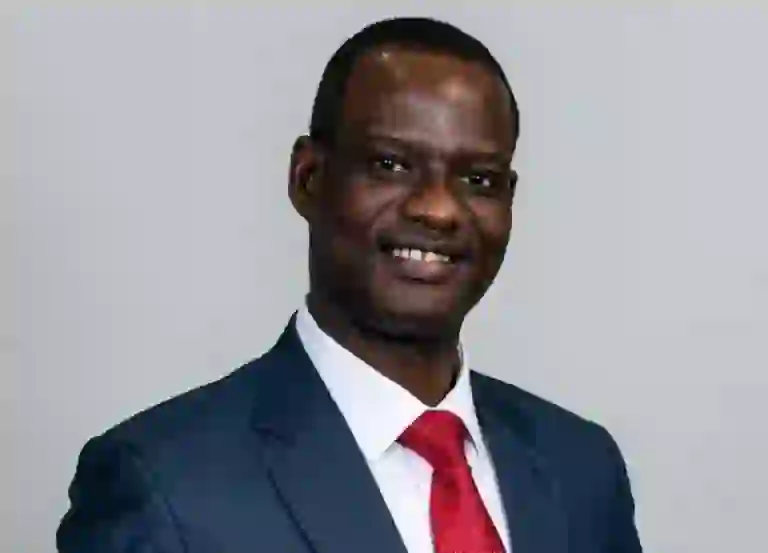
The Federal Government has dismissed claims that it borrowed N80 trillion under President Bola Tinubu, saying the widely quoted figure results from currency revaluation and debt reclassification rather than fresh borrowing.
Minister of Finance and Coordinating Minister for the Economy, Taiwo Oyedele, gave the clarification on Monday while briefing the Senate Committee on Finance, led by Senator Sani Musa (APC, Niger East), on the state of the economy.
Responding to a question from Senator Adamu Aliero (APC, Kebbi Central) on the alleged N80 trillion debt incurred by the current administration on top of the N75 trillion it inherited, Oyedele said the figure does not reflect actual new borrowing.
He explained that Nigeria’s debt was around N75 trillion when the administration took office, and that many people simply compare that number to the current debt stock and assume the government has borrowed heavily.
According to him, the naira’s depreciation forced a revaluation of the foreign currency component of the debt, since Nigeria reports its figures in naira — a technical adjustment that alone added over N40 trillion to the total.
He also pointed to the securitisation of Ways and Means advances from the previous administration, approved by the National Assembly, which added about N33 trillion to the books. He described this as a reclassification of existing obligations rather than new debt.
“These factors have not always been properly explained, which is why the reported public debt appears much larger,” Oyedele said, adding that even much of the domestic borrowing is refinancing of maturing debt rather than fresh loans.
He maintained that the administration has borrowed responsibly, directing funds strictly toward infrastructure rather than consumption, and stressed a continued commitment to debt sustainability.
“We see debt as leverage. Every naira and every dollar borrowed should generate more value than the amount borrowed,” he said.
The minister faced pushback from committee members over the non-implementation of the capital component of the 2026 budget. Senate Whip Tahir Monguno (Borno North) described the delay as an impeachable offence, a position also raised by Senator Aliero.
Committee Chairman Sani Musa, however, defended the minister, assuring colleagues that implementation of the capital budget would soon become visible.
After a closed-door session with the minister and members of the economic team, Musa said the committee was working with the executive to align budget management with revenue realities, noting that a performance and priority-based budgeting system is being considered to replace the current envelope system, alongside a return to the older contractor payment structure.
READ ALSO:
- Governor Dauda Lawal Signs Peace Accord Ahead of 2027 Elections, Reaffirms Commitment to Peaceful Poll
- Gunmen kill NSCDC officer, abduct businessman in Plateau community
- NYSC abduction: Court remands five suspects in DSS custody
- Lekki shooting: Atiku asks APC, six years on, “Who gave the order?”
- Maysol of Lagos Set to Host Agiliti Inter-Street Football Competition 2.0
