



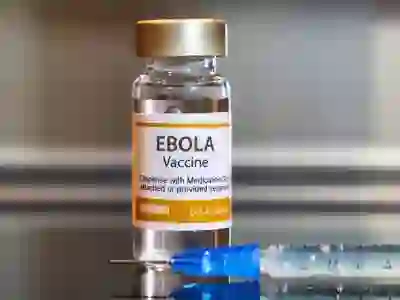
The World Health Organisation (WHO) has announced the commencement of a clinical trial of an Ebola vaccine in the Democratic Republic of Congo (DR Congo), as the country battles its worst-ever outbreak of the disease.
The trial began on Friday in Bunia, the capital of Ituri Province in northeastern DR Congo, which has been identified as the epicentre of the outbreak.
According to the report, the outbreak has recorded more than 9,700 cases, with the death toll exceeding 4,600.
The outbreak is caused by the Bundibugyo species of the Ebola virus, for which there are currently no approved vaccines or specific treatments. The absence of an approved vaccine for this strain has posed a major challenge to efforts to contain the spread of the disease.
The trial will initially assess Ervebo, a vaccine approved for protection against the more common Zaire strain of Ebola, to determine whether it can also provide protection against the Bundibugyo strain.
WHO Director-General Tedros Adhanom Ghebreyesus announced the development in a post on X, describing the trial as a source of hope in the fight against the outbreak.
He said the first participants had received vaccinations under a new clinical trial known as Tumaini, a Swahili word meaning “hope.”
According to Tedros, the trial will help researchers determine whether the vaccine candidates being developed for the Bundibugyo virus can protect people at risk of infection.
He added that the WHO was supporting the DR Congo-led initiative to generate scientific evidence that could help save lives and strengthen the response to the outbreak.
Two More Vaccine Candidates Expected
The Tumaini trial has been designed as a single clinical trial framework capable of assessing the safety, effectiveness and immune responses of multiple vaccine candidates.
The study will adopt a ring vaccination strategy, under which people identified as being at high risk of infection, particularly close contacts of confirmed cases, will be offered vaccination.
Two additional vaccine candidates specifically developed for the Bundibugyo virus are expected to join the trial after progressing through earlier stages of clinical development.
One candidate is an adenoviral vector vaccine being developed by the University of Oxford, known as ChAdOx1. The second is being developed by the United States-based biotechnology company Moderna and uses messenger RNA (mRNA) technology.
Both candidates have received funding from the Coalition for Epidemic Preparedness Innovations (CEPI), which supports the development of vaccines against emerging infectious diseases.
CEPI said the two vaccines were expected to enter the trial soon.
The organisation explained that the Tumaini trial would work closely with affected communities, health authorities and other outbreak response partners to generate reliable evidence on how well the vaccines perform.
The findings could help control the current epidemic, save lives and improve preparedness for future outbreaks of the Bundibugyo virus.
The trial will also include pregnant women and children aged 12 and above, allowing researchers to gather evidence from groups that are often excluded from clinical studies.
WHO Describes Trial As Major Step
WHO emergencies director Chikwe Ihekweazu said the trial was established to produce the scientific evidence needed to determine whether the vaccines could protect people exposed to the virus.
He explained that if the trial demonstrates that a vaccine is effective against the Bundibugyo strain, it would represent the first clear evidence of vaccine efficacy against the virus.
According to him, such a breakthrough could significantly improve the response to the current outbreak, strengthen preparations for future epidemics and help prevent further deaths.
The DR Congo’s Ebola response incident manager, Steve Ahuka-Mundeke, also described the introduction of the trial into the outbreak response as an important step towards addressing the urgent needs of affected communities.
Ebola is a serious infectious disease that spreads through direct contact with the blood and other bodily fluids of infected people or contaminated materials. It can cause severe illness, including haemorrhagic fever, and has killed more than 15,000 people across Africa over the past five decades.
The DR Congo declared its 17th Ebola outbreak on May 15. Two days later, the WHO declared a public health emergency of international concern, its second-highest level of global health alert.
The vaccine trial is expected to provide critical information on whether existing or newly developed vaccines can help contain the outbreak and protect vulnerable populations.
READ ALSO:
- Remi Tinubu Tells Nigerians Who Doubt Tinubu’s Progress They Need ‘Bola Tinubu Eyeglasses’
- ‘Poor People Shouldn’t Have Children’ – Actress Ms DSF
- Video: Tinubu Arrives In Kaduna For APC 2027 Re-Election Campaign Flag-Off
- Tinubu Reinstates Suspended Permanent Secretary
- Canada Grants Asylum To 7,643 Nigerians
