



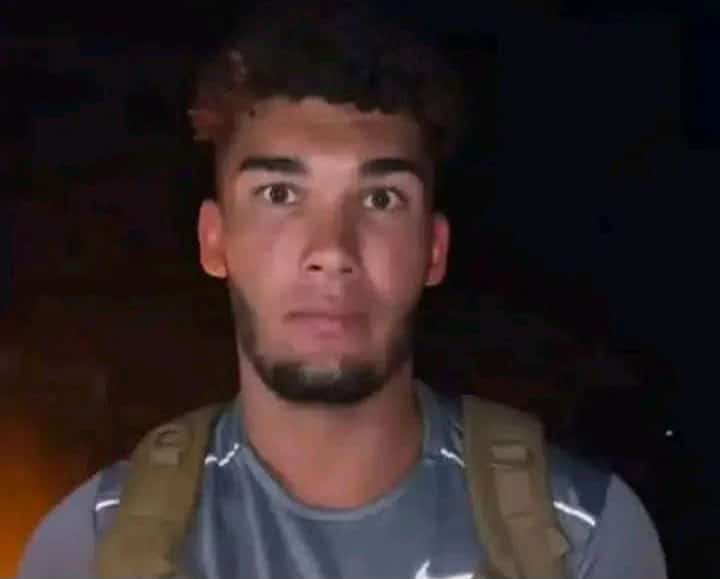
The Federal Government has deported American missionary Alex Barber over allegations that his public statements could incite violence and worsen divisions in parts of the country.
The development was disclosed by Abiodun Essiet, Senior Special Assistant to President Bola Ahmed Tinubu on Community Engagement (North Central), during an interview on TVC News.
According to Essiet, authorities became concerned about the potential impact of Barber’s activities on national unity and public safety. She confirmed that the missionary had been removed from the country.
“We’ve reviewed what Alex Barber has been doing, and I can confirm he is no longer in Nigeria. He was sent out because his actions were creating division,” she said.
Essiet further alleged that a speech delivered by Barber in Jos, Plateau State, had immediate consequences, claiming violence occurred shortly after his remarks. She stated that two individuals were reportedly killed following the address, describing his comments as provocative.
Barber, born in Georgia, United States, initially gained recognition as a football player before transitioning into faith-based and humanitarian work. He later became active in Nigeria’s Middle Belt through initiatives such as Building Zion and the U.S.-based organisation Equipping the Persecuted.
Through these platforms, he participated in rebuilding communities affected by violence, particularly in Benue and Plateau states. In Yelwata, one of the communities impacted by attacks in 2025, Barber said his team constructed dozens of housing units and supported local infrastructure.
His efforts drew praise from some community leaders and residents, who commended the intervention as timely and impactful.
However, his public commentary on insecurity in the region attracted criticism. In interviews and online posts, Barber described the violence as systematic and questioned official narratives, while also expressing doubts about government institutions’ handling of humanitarian issues.
These remarks triggered reactions from several Nigerian figures, including former presidential aide Bashir Ahmad and Islamic cleric Ahmad Gumi, who warned that his statements could inflame tensions.
There were also calls for investigation following allegations by some individuals that Barber had been present at scenes of violence under unclear circumstances, although no evidence has publicly linked him to any criminal activity.
Supporters, including religious leaders, defended his humanitarian contributions, arguing that his work helped draw global attention to affected communities.
Responding to the allegations, Barber denied claims that his statements incited violence. In a post on social media, he dismissed Essiet’s comments as false, insisting he had no interaction with her and rejecting the accusations.
Nigeria’s legal framework allows authorities to act against speech considered capable of inciting violence. Laws such as the Terrorism (Prevention and Prohibition) Act 2022 and the Cybercrime Act provide sanctions for content that could provoke unrest. Immigration authorities also have the power to deport foreign nationals deemed to be acting against national interest.
Essiet said the government’s decision was aimed at preventing narratives that could fuel ethnic or religious conflict, warning against the dangers of divisive rhetoric and stressing the need to safeguard national unity.
READ ALSO:
