



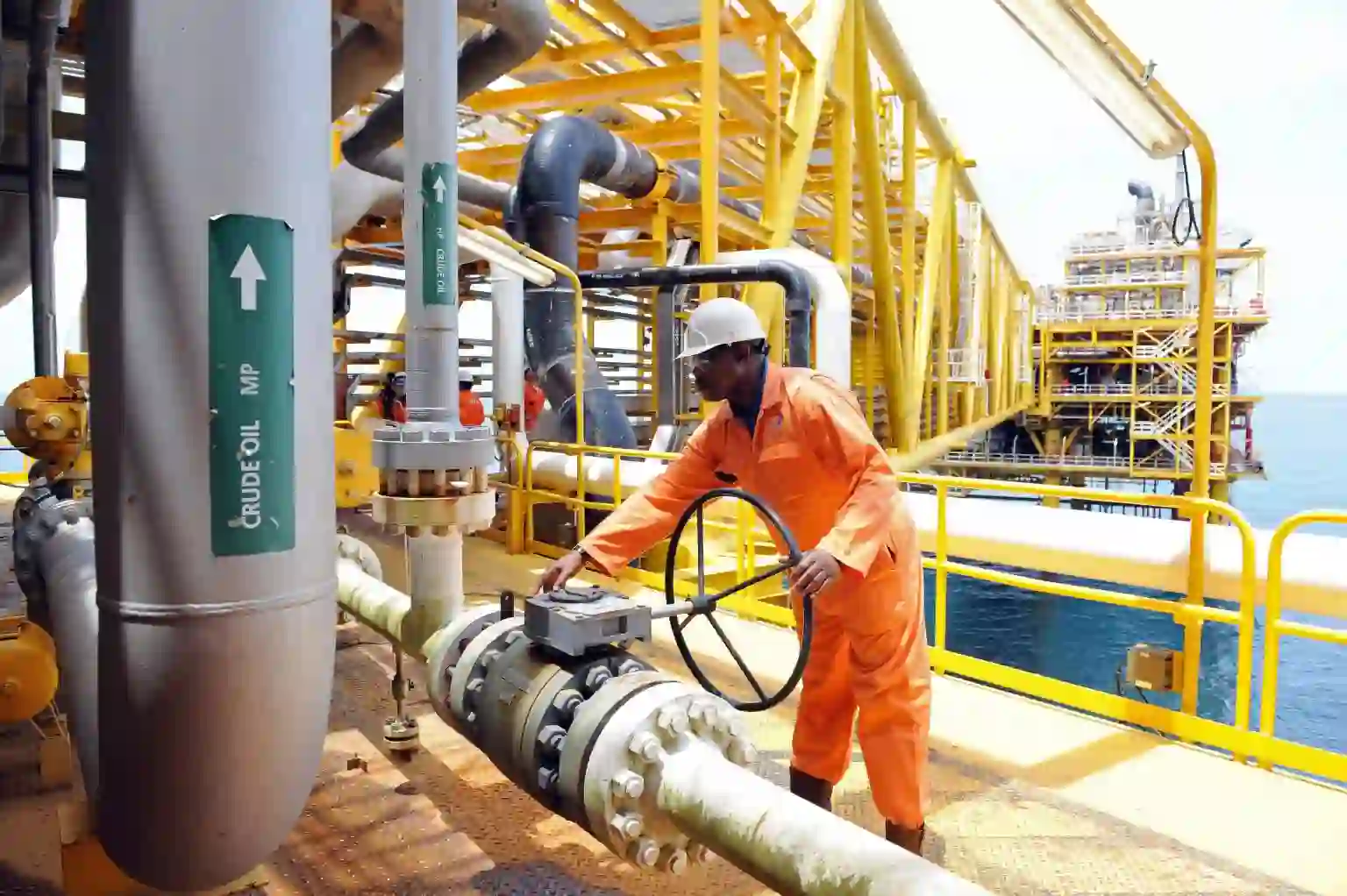
Nigeria is targeting the complete local refining of crude oil produced in the country by 2030, as the Federal Government intensifies efforts to strengthen domestic refining capacity and reduce dependence on imported petroleum products.
The Nigerian Midstream and Downstream Petroleum Regulatory Authority (NMDPRA) disclosed the target during discussions on the development of Nigeria’s refined petroleum products market and the country’s ambition to become a major refining hub in Africa.
The move is expected to transform Nigeria’s petroleum industry by ensuring that more of the crude produced locally is processed within the country rather than exported for refining abroad.
The development comes as Nigeria continues to witness increased refining activity, with existing and emerging refineries expected to boost domestic supply of petrol, diesel and other refined petroleum products.
The government’s strategy is also aimed at strengthening energy security, creating jobs, retaining more value from the country’s crude resources and positioning Nigeria as a major supplier of refined petroleum products to other African markets.
At a recent refined fuel market conference in Abuja, stakeholders stressed the need for adequate refining capacity, reliable crude supply, efficient logistics and supportive regulatory policies to achieve the country’s refining ambitions.
The NMDPRA has also been working with industry stakeholders and regional partners to deepen the West African refined fuel market and establish a more integrated petroleum trading system.
With Nigeria seeking to refine all crude produced domestically by 2030, the authorities believe the country can move from being heavily dependent on imported refined products to becoming a net supplier of fuels within Africa.
The target is part of broader efforts to maximise the value of Nigeria’s petroleum resources and strengthen the downstream sector of the economy.
Achieving the 2030 target will depend largely on the sustained operation and expansion of existing refineries, completion of planned facilities, availability of crude for domestic processors and the development of efficient petroleum distribution infrastructure.
READ ALSO:
- Tinubu returns to Nigeria after four-week European stay
- Adichie, Husband Ask Court To Dismiss Euracare’s Suit Against Son’s Inquest
- XEJet Hit As Ground Handlers Withdraw Services Over N300m Debt
- NUTGTWN Urges FG To Revive Textile Industry To Create Jobs, Diversify Economy
- “Tinubu is undergoing treatment in France” – Sowore challenges Presidency’s vacation claim
