


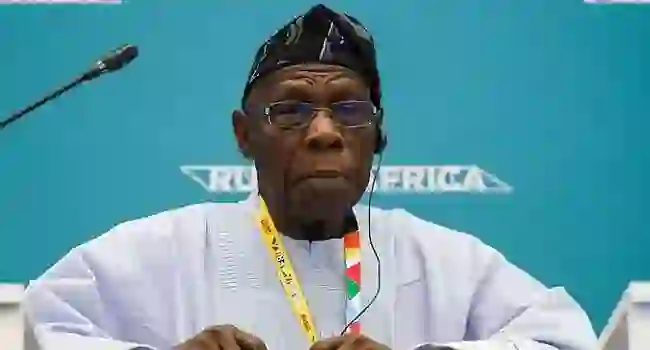
The United Nations and the African Union have called on former President Olusegun Obasanjo to help steer Ethiopia away from renewed conflict, as rising tensions threaten the 2022 peace agreement he helped broker.
In a joint position, both bodies expressed “steadfast support” for Obasanjo’s renewed mediation efforts. They urged the parties to resume direct talks immediately under the Permanent Cessation of Hostilities Agreement.
They cautioned that any miscalculation in northern Ethiopia could trigger further escalation and destabilise the wider Horn of Africa.
The position followed the 27th Consultative Meeting of the UN-AU Joint Task Force on Peace and Security, held in New York.
Obasanjo, who serves as the AU High Representative for the Horn of Africa, led the mediation that produced the Pretoria peace agreement between Ethiopia’s Federal Government and Tigrayan forces in November 2022.
With tensions climbing again, he is expected to re-engage the parties, revive direct dialogue and prevent the agreement from unravelling.
The UN and AU agreed to strengthen coordination behind his efforts and urged all sides to resolve outstanding disputes through good-faith dialogue rather than renewed hostilities.
The AU delegation was led by its Commissioner for Political Affairs, Peace and Security, Amb. Bankole Adeoye.
The UN team included Under-Secretaries-General Rosemary DiCarlo, Jean-Pierre Lacroix and Atul Khare; the UN Special Representative to the AU, Parfait Onanga-Anyanga; and Assistant Secretary-General for Africa, Martin Kimani.
Other conflict areas reviewed
Beyond Ethiopia, the task force assessed conflicts and political transitions in Sudan, Somalia, South Sudan and eastern Democratic Republic of the Congo (DRC).
On Sudan, the two organisations said there was no viable military solution and demanded an immediate cessation of hostilities. They rejected the creation of any parallel government and called for an inclusive Sudanese dialogue leading to civilian-led governance. The meeting also condemned external interference and military backing that continue to fuel the conflict.
On Somalia, the task force reaffirmed support for the African Union Support and Stabilisation Mission and stressed the need for sustained international backing. Somali stakeholders were urged to keep talking towards an inclusive agreement on elections.
In eastern DRC, the UN and AU welcomed African, regional and international peace initiatives and called for an effective and permanent ceasefire. They also endorsed plans for an inclusive national dialogue to support lasting peace.
In South Sudan, the meeting called for national consensus ahead of the planned December elections and urged authorities to close outstanding gaps in preparations.
Wider cooperation
The task force also reviewed UN-AU collaboration on conflict prevention, mediation, early warning, human rights and support for African-led peace operations.
It highlighted the implementation of UN Security Council Resolution 2719, which provides a framework for predictable financing of eligible AU-led peace support operations on a case-by-case basis.
The meeting welcomed new agreements on operational support and knowledge exchange signed during UNGA81.
READ ALSO:
- “No Such Thing As Working Vacation”: Dalung Says Tinubu Violated The Constitution
- Otti urges investors who left Abia to return
- UN, AU task Obasanjo with salvaging Ethiopia peace deal as tensions rise
- Okonkwo admits he was misled on Obi’s debt record, says he can no longer defend claims
- Tinubu Says Credit Guarantee Scheme Secured ₦46.95bn in Loans in One Year
