



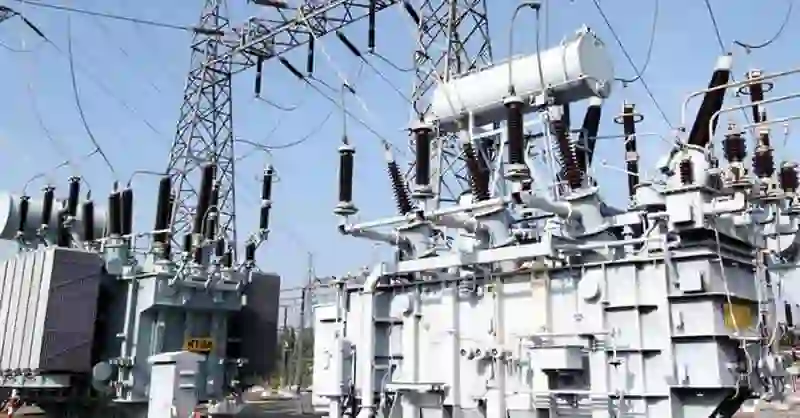
The Nigerian Electricity Regulatory Commission (NERC) has introduced a new set of regulations aimed at reducing electricity transmission losses and improving efficiency across the national grid.
The directive, issued as Order No. NERC/2026/026, establishes a more robust framework for tracking and reporting Regional Transmission Loss Factors within Nigeria’s power transmission system.
Figures from the Nigerian Independent System Operator (NISO) show that the country’s average transmission loss declined from 8.71 per cent in 2024 to 7.24 per cent in 2025. However, the figure still exceeds the 7 per cent benchmark under the Multi-Year Tariff Order.
NERC said the latest measures are intended to close this gap and strengthen operational efficiency in the power sector. The order, dated April 8, 2026, took effect on April 13, 2026, and is supported by the provisions of the Electricity Act 2023.
As part of the new requirements, NISO has been mandated to deploy smart meters at all regional interconnection points by December 2026 to ensure precise measurement of electricity flows. The operator is also expected to monitor energy movement across transmission substations and submit quarterly reports on losses to the Commission.
Furthermore, NISO must provide a comprehensive action plan by July 2026 outlining steps to bring transmission losses within approved limits. NERC has set a target of reducing losses to no more than 6.5 per cent nationwide by the end of 2026.
The Commission explained that the initiative is designed to enhance transparency, improve monitoring systems, and ensure better management of the national grid. It added that accurate data reporting is critical for boosting performance and maintaining fair pricing in the electricity market.
In addition, NERC announced the release of the Mini-Grid Regulations 2026, aimed at improving electricity supply in underserved and unserved communities.
The regulation outlines operational standards for both isolated mini-grids—independent of distribution companies with capacities up to 5MW—and interconnected mini-grids linked to existing networks with capacities up to 10MW.
Under the new framework, mini-grids below 100KW must be registered, while those above that capacity are required to obtain permits. The Commission also stated that approvals for eligible projects will be granted within 30 business days.
Operators will now adhere to stricter reporting obligations, with mini-grids below 1MW submitting annual reports, while those above 1MW will file quarterly reports.
NERC said it will continue to monitor the sector closely and may publish industry data to improve transparency and accountability. The Commission added that the reforms are expected to attract investment, enhance infrastructure, and accelerate rural electrification across Nigeria.
READ ALSO:
- Governor Dauda Lawal Signs Peace Accord Ahead of 2027 Elections, Reaffirms Commitment to Peaceful Poll
- Gunmen kill NSCDC officer, abduct businessman in Plateau community
- NYSC abduction: Court remands five suspects in DSS custody
- Lekki shooting: Atiku asks APC, six years on, “Who gave the order?”
- Maysol of Lagos Set to Host Agiliti Inter-Street Football Competition 2.0
