


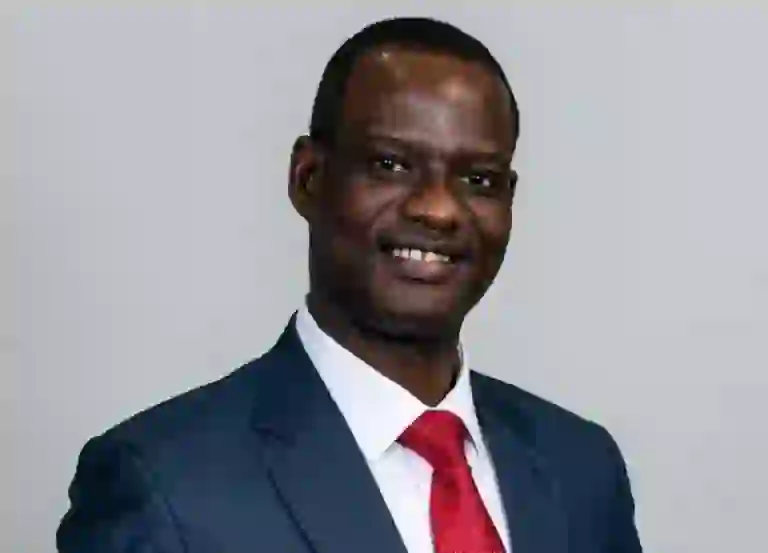
The Minister of Finance and Coordinating Minister for the Economy, Taiwo Oyedele, has called on the international community to overhaul how Africa’s development is financed, pushing for affordable, long-term capital to fund infrastructure and energy projects across the continent.
Oyedele made the call at the United Nations Dialogue on Solutions to Climate Finance, held on the sidelines of the 81st UN General Assembly in New York. He said high financing costs, currency risks and poor access to long-term capital were holding back Africa’s development.
A statement by the Ministry of Finance’s Head of Information and Public Relations, Efe Ovuakporie, quoted the minister as saying the continent’s financing struggles were especially severe in the energy sector, where huge investment is needed to close Africa’s wide energy-access gap.
Oyedele noted that despite contributing relatively little to global carbon emissions, African countries still face what he called a “prejudice premium” and “narrative cost” when seeking funding for key infrastructure. He also pointed to currency risk and a so-called “stereotype tax” as extra burdens African nations face in raising capital for development.
He called for a rethink of climate finance that reflects the realities of developing economies and gives them simpler access to affordable funding.
The minister also pushed for more investment in natural gas and other transition energy sources, arguing that Africa needs reliable, affordable energy to fight poverty and drive economic growth. Greater investment in the continent’s energy sector, he said, would tackle energy poverty while also helping diversify global energy supply and cut reliance on the Gulf region amid ongoing disruptions there.
Oyedele stressed that Africa’s energy transition has to be built around the continent’s own development needs given its energy-access deficit, calling for more investment in electricity and energy infrastructure alongside a realistic shift to cleaner sources.
He argued that the global climate-finance framework should adapt to the different circumstances of developing nations rather than impose conditions that could further limit their growth.
On Nigeria specifically, Oyedele said the immediate focus was on policies and programmes that reduce poverty, widen economic opportunity and speed up the spread of shared prosperity. Achieving this, he added, would require stronger international cooperation and a financing system that helps developing countries raise the capital needed to build infrastructure and improve living standards.
READ ALSO:
- Nigeria to UN: No Nation Is Safe From Global Threats Behind Its Borders
- Amnesty International demands scrapping of ICE over rights abuses
- Tinubu Tells UN: 1945 World Order Can’t Govern 2026
- 2027: Elections Must Be Decided at the Polls, Not in Court — Onaiyekan, Osigwe
- Obi Denies Borrowing or Issuing Bonds for Anambra as Governor
